
Taste, Tables & TAM: The New Playbook for Scaling Restaurants
What Dishoom, Din Tai Fung, and Semma teach us about building the next cult chain

I remember the first time I queued up for Dishoom. It was a freezing winter evening in London. My friends and I had spent the day wandering around Shoreditch when someone suggested Dishoom for dinner. We ended up at the King’s Cross outlet, only to find a two-block-long line snaking outside the restaurant. Most places would lose customers right there. Not Dishoom. A smiling server came out with cutting chai (tea), free, piping hot, and served in little glasses that reminded me of old Mumbai cafes. In that moment, I knew Dishoom wasn’t just a restaurant. It was a feeling.
That experience stayed with me, and over the years I’ve watched Dishoom quietly build something rare: a cult restaurant brand that’s scaled without selling out. In an industry notorious for razor-thin margins and creative burnout, Dishoom has managed to keep quality high, customers loyal, and its growth story thriving.
From Irani Cafés to International Acclaim
Founded in 2010 by cousins Shamil and Kavi Thakrar, Dishoom was born out of nostalgia. It was an attempt to resurrect the spirit of Mumbai’s fading Irani cafés in London’s Covent Garden. The details were obsessive: checkered tiles, vintage Bollywood posters, even fictional backstories for each location. But it was the food and hospitality that turned Dishoom into a phenomenon.
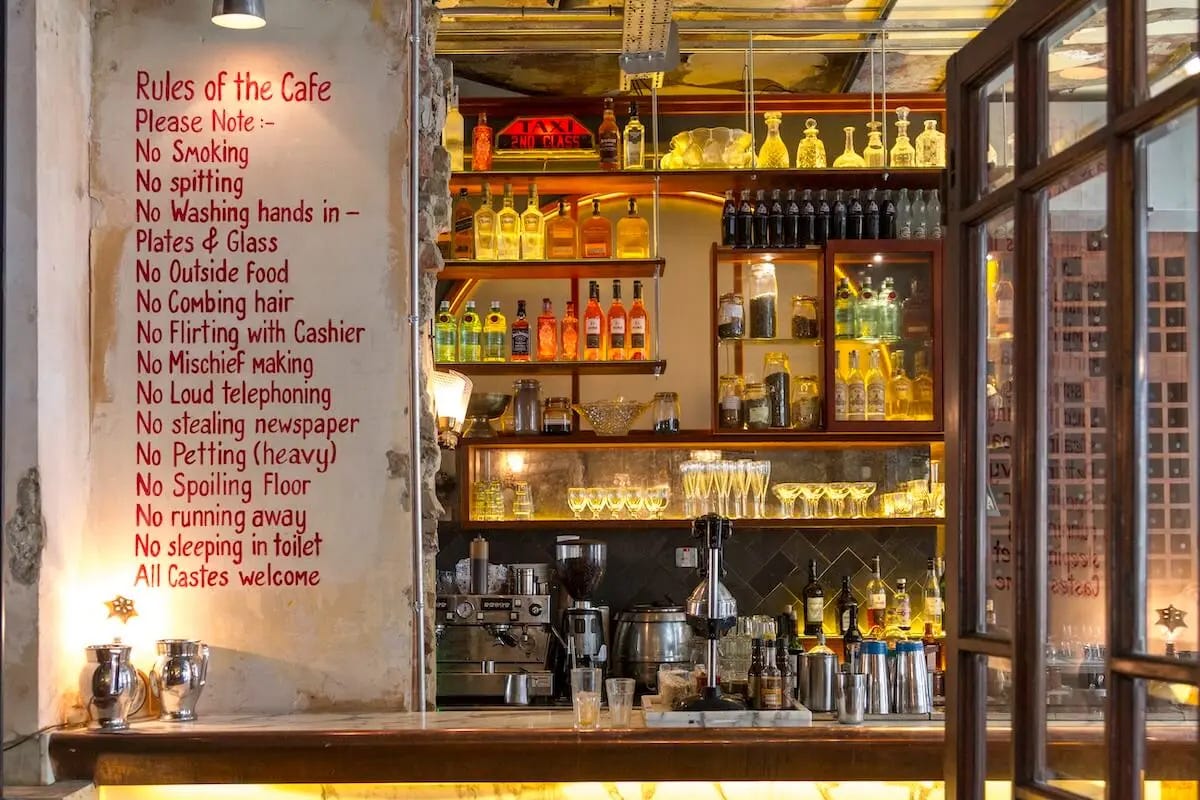
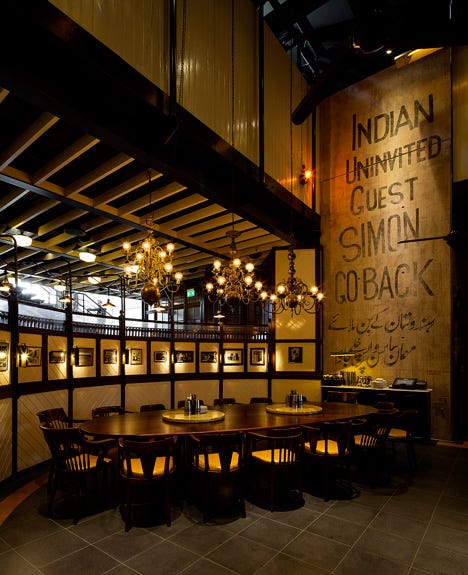
Today, the group runs 13 sites (10 Dishooms, 3 Permit Room bars), serves 100,000 diners weekly, and employs close to 1,800 people. Annual revenue has surged from £45M in 2018 to £117M in 2023. Last year alone, EBITDA jumped 42% to £13.3M, showing Dishoom has not only scaled, but done so profitably.
This kind of consistency, in food, experience, and financials is rare in the restaurant world. And it raises a provocative question: can chains be cool again?
Chains Don’t Have to Suck
For a long time, the word "chain" was synonymous with mediocre food and sterile dining experiences. Think Applebee's, Olive Garden, and the like. But today, a new breed of restaurant groups are reclaiming the model. They're niche, high-quality, and story-driven, and they prove that consistency and creativity can coexist.
The big shift? We’ve moved from fast food to fast-casual to full-experience casual. We don’t just want to eat; we want to belong.
Consumers, especially younger, urban diners, are seeking more than convenience. They crave identity, values, and vibes. As the pendulum swings away from plastic trays and paper hats, the winners will be the ones who make you feel something. Who take a stand on what they serve and how.
Dishoom isn’t alone. In the US, Unapologetic Foods - the group behind Semma and Dhamaka, has achieved cult status by pushing bold, unapologetic Indian flavors into the mainstream. While smaller in scale (Unapologetic clocked $6.9M in revenue in 2024), they are arguably the most influential indie group in NYC right now.
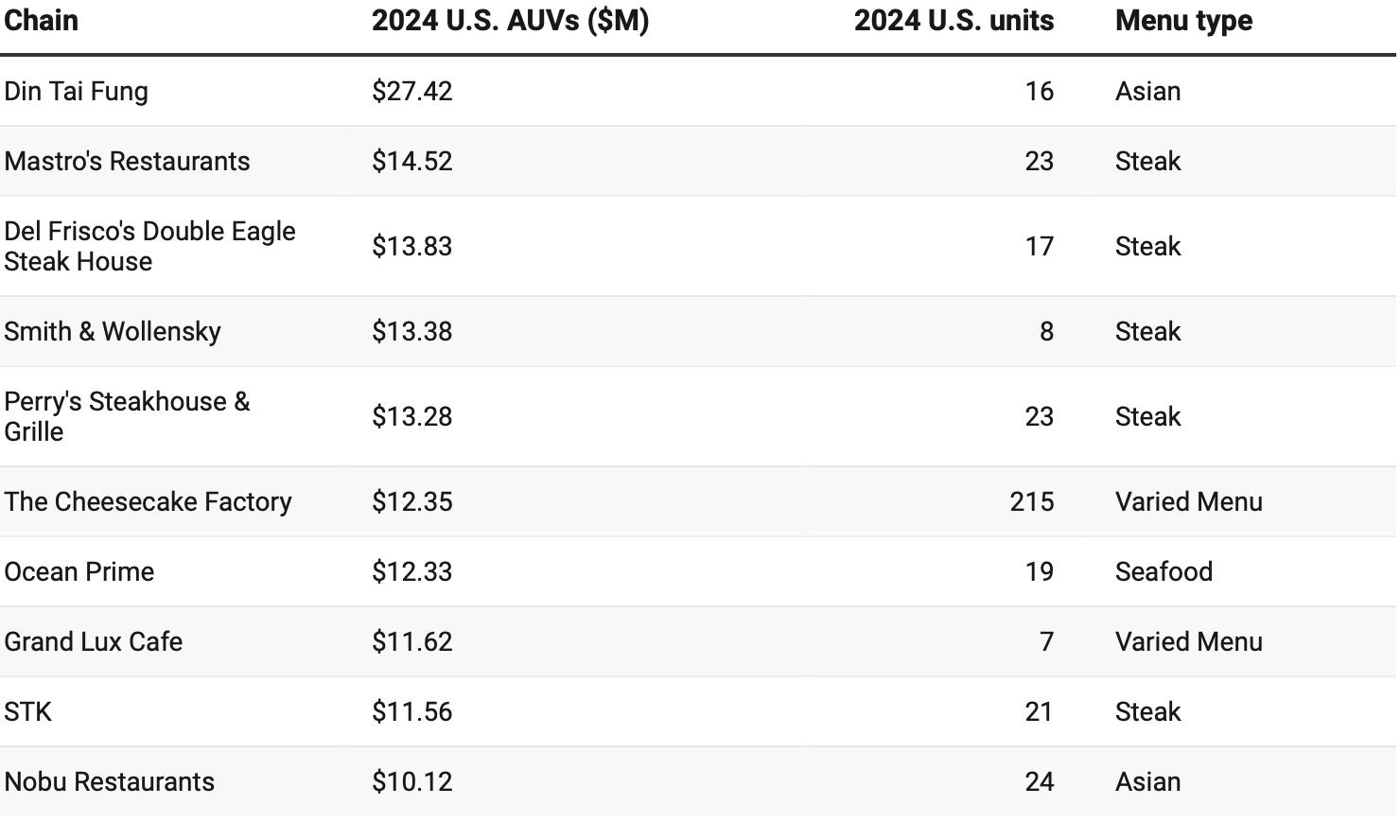
Then there's Din Tai Fung: the Taiwanese dumpling powerhouse that turned its legendary xiao long bao into a global phenomenon. In 2024, Din Tai Fung pulled in nearly $400M in revenue. Yet despite operating dozens of outlets across Asia and the U.S., the brand has kept quality control obsessive. Every dumpling is weighed to the gram. Every experience is choreographed.
Drumm Hospitality, an emerging star in the U.S., is another case in point. Focused on design-forward, chef-driven dining concepts, they’re proving that hospitality groups can scale without losing soul.
Why They Work
These chains aren’t succeeding by slashing costs or chasing mass-market appeal. They’re winning by leaning into what makes them different:
Narrative Design: Dishoom builds every restaurant around a fictional character and backstory set in a specific time in Bombay. The menu in Semma (rated as NYT’s #1 restaurant in New York) builds on the chef’s culinary experiences, growing up with his grandmother in South India. It’s not just food, it’s a time capsule.
Operational Discipline: Every chai glass, every playlist, every dumpling, and every menu item is painstakingly tested and controlled. Scaling quality is an obsession, not a side effect.
Word of Mouth 2.0: Dishoom’s viral "matka game" (roll a dice, if you land a 6, eat for free) exploded on TikTok. Din Tai Fung turned dumpling making into Instagram art. These brands understand that content is the new marketing.
Hospitality as Differentiator: Whether it’s free chai in line or obsessive service touchpoints, these restaurants know that hospitality isn’t just warm, it’s strategic.
Can Dishoom Win in America?
In 2024, Dishoom tested the waters with a wildly successful 10-day pop-up at Pastis in New York. The reservations sold out in under 5 minutes. Now, they’re scouting locations and will need to raise around $12-15M to build their first U.S. outlet. As Utkarsh Amitabh skilfully noted in “Dishoom Conundrum” about the chain’s expansion in US, the economics are look tight (they’ll need to generate ~$1M/month to break even), but the odds of success are fairly good.
They’re entering a market that’s increasingly hungry for globally inspired, story-rich dining. And their model: all-day dining, strong unit economics, high emotional loyalty, is built to travel.
The Future of Chains?
What Dishoom, Din Tai Fung, and others are showing is that the future of restaurant chains may not be mass-market domination, but niche cultural institutions that scale through trust, taste, and storytelling.
We don’t need more fast food. We need more food that moves fast but still tells a story.
And if Dishoom can pull it off in New York, they may just build a blueprint for what the next generation of iconic restaurants looks like: not the cheapest, not the fastest, but the most beloved.
What’s the next cult chain you’re betting on?
Tech & Tonic is a reader-supported publication. To get fresh stories on food, tech, and the business of culture, consider subscribing.